On this page7
Most people brush twice a day, use fluoride toothpaste, and still develop decay, sensitivity or gum disease. Diet does most of the work in decay, and there is a separate guide on sugar. But brushing is how the fluoride gets onto the teeth, and the two minutes, the light touch and the gum margin are the parts people most often lose.
Two minutes, twice a day
Brush for a full two minutes, morning and last thing at night. The night brush matters most — saliva flow drops while you sleep, so anything left on the teeth stays there for hours.
Most people stop between thirty and forty-five seconds without realising it. If your brush has a timer, let it finish.
Pressure is the common mistake
Brushing harder does not clean better. The bristles splay flat instead of reaching into the gum margin, and heavy brushing over years is thought to contribute to:
- Gum recession
- Worn enamel at the neck of the tooth
- Sensitivity to cold
- Sore, inflamed gum margins
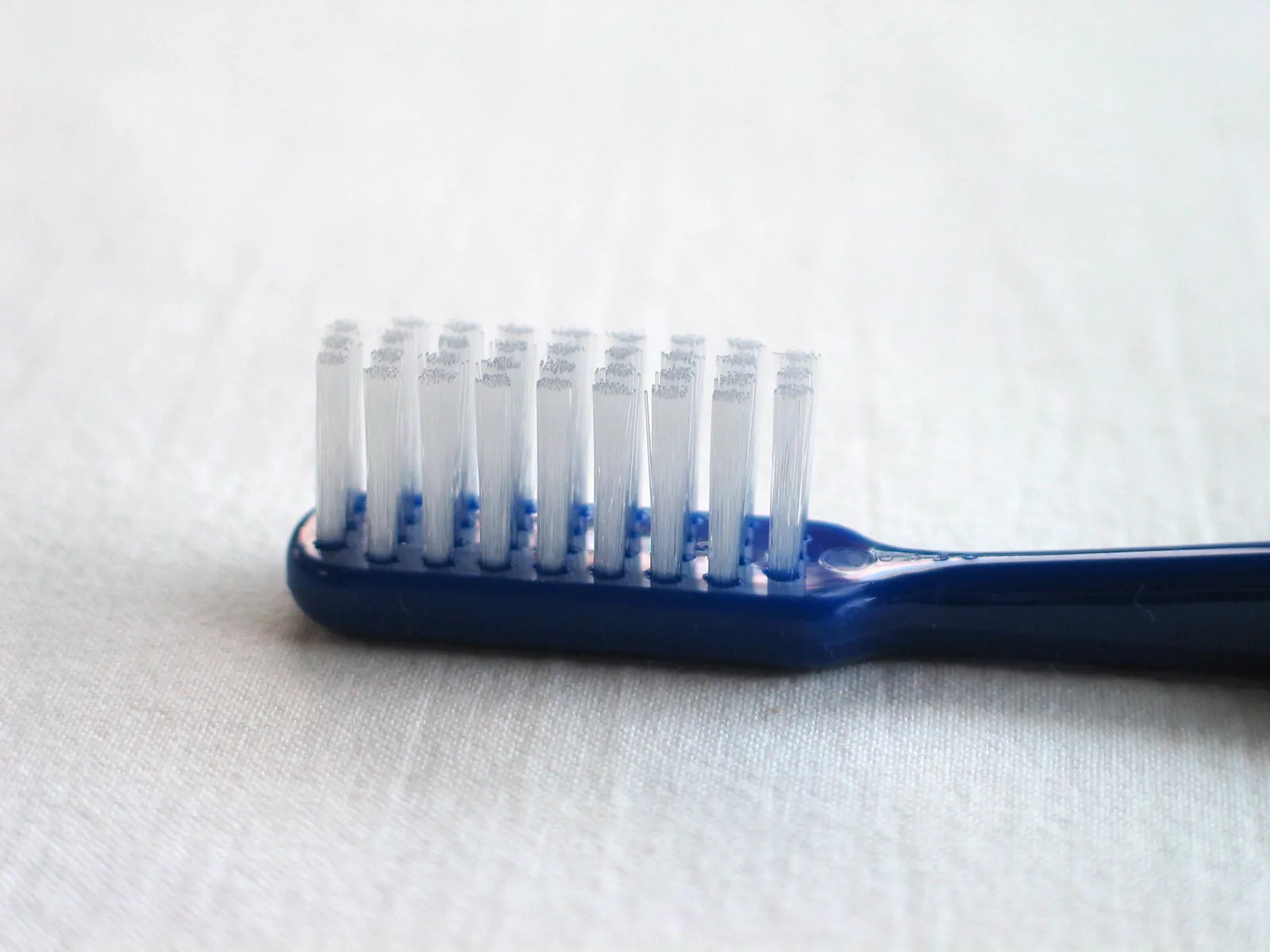
There is a simple test. If your bristles splay outwards within a few weeks, you are pressing too hard. Hold the brush the way you would hold a pen, not a hammer.
A technique that works
No one method has been shown to beat the others. This one is easy to teach and easy to keep doing:
The same approach works for manual and electric brushes:
- Angle the bristles slightly towards the gum line, at roughly 45 degrees.
- Use small circular movements rather than a long scrubbing stroke.
- Work tooth by tooth, giving each one a moment.
- Cover all three surfaces — outer, inner, and biting.
With an electric brush, guide it slowly along the teeth and let the brush do the work. Scrubbing with an electric brush cancels out most of its advantage.
The gum line is the part that matters
Plaque collects where the tooth meets the gum. When that margin is missed, the gum becomes inflamed, starts to bleed, and gum disease can progress quietly for years without pain.
Cleaning there should be gentle and should never hurt.
Toothpaste and the rinse
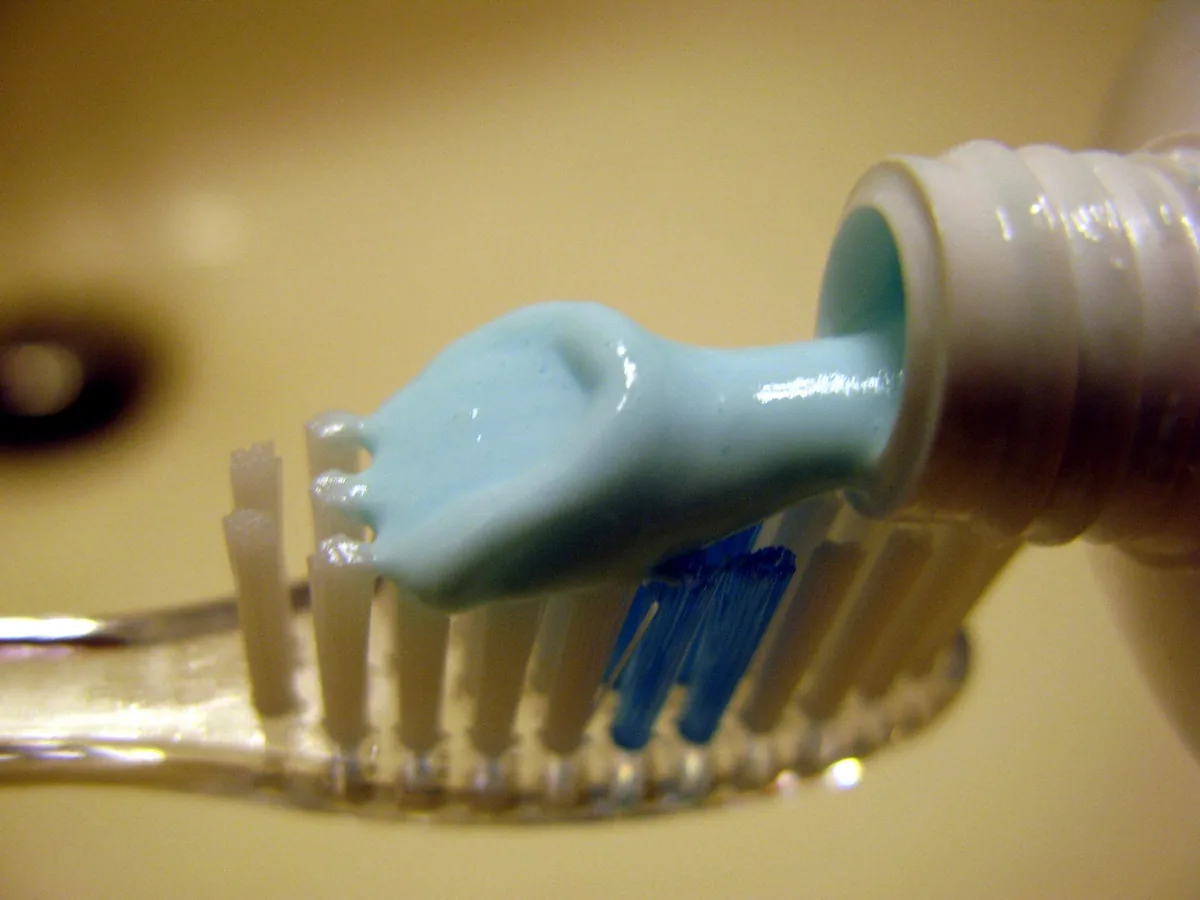
Use a fluoride toothpaste. For adults that means 1,350 to 1,500 ppm fluoride — it is printed on the tube.
Then the step almost everyone gets wrong: spit, do not rinse. Rinsing with water washes the fluoride straight off your teeth. Leaving it in place is what lets it work.
Three myths worth dropping
"Harder brushing cleans better." It causes recession and wear.
"If my gums bleed, I should leave them alone." Bleeding is a sign of inflammation. Gentle, consistent cleaning is usually what settles it down.
"Quick brushing is fine as long as I floss." They do different jobs. Neither substitutes for the other.
When to ask
Every mouth is different. Crowding, crowns, bridges and existing gum problems all change how you should clean. A dentist or hygienist can watch you brush, point out exactly where plaque is collecting, and recommend the right brush for your mouth.
Good brushing is not about force. It is about time, angle and consistency — and consistency is what compounds over years.