On this page5
Dental injuries in sport are common and overwhelmingly preventable. An adult front tooth lost at fifteen has to be replaced, and then that replacement has to be replaced, for the rest of a long life.
Which sports
Any sport with contact, a stick, a hard ball or a real chance of falling onto something: rugby, hockey, boxing and martial arts, football at a competitive level, cricket, skateboarding, BMX, skiing, basketball, netball.
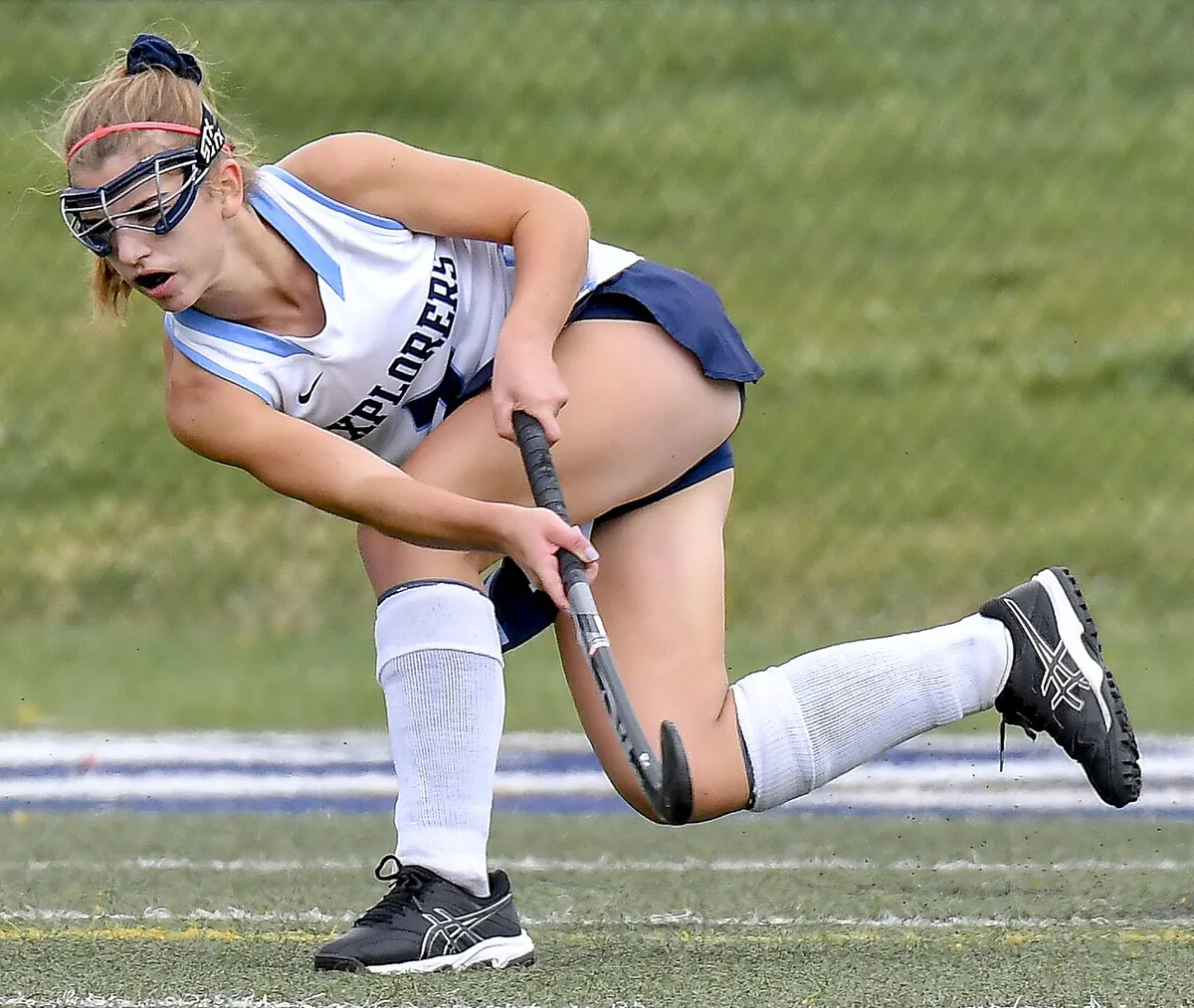
Rugby and hockey are the two where guards are most often mandated and still most often forgotten.
Custom versus boil-and-bite
| Custom-made | Boil-and-bite | |
|---|---|---|
| Fit | Taken from an impression or scan of your teeth | Approximate, moulded at home |
| Retention | Stays put without clenching | Often needs holding in place |
| Breathing and speech | Noticeably easier | Bulkier, harder to talk through |
| Protection | Even thickness where it is needed | Thin in exactly the places it matters |
| Actually worn | Usually | Frequently left in the bag |
The last row is the important one. A guard’s protection is entirely conditional on it being in your mouth.
A boil-and-bite guard is considerably better than nothing for a one-off, and it is the right answer if the alternative is playing without. For anyone playing regularly, custom is worth it.
For children and teenagers
Growing mouths change shape, and a guard that fitted last season may not fit now. It needs checking each season, and replacing more often than an adult’s.
Braces need a specific guard. An ordinary one will not fit over brackets, and an injury with fixed appliances in place can cause significant soft tissue damage. Ask the orthodontist.
If a tooth gets knocked out
This is the part worth memorising, because the first ten minutes genuinely change the outcome for an adult tooth.
- Find the tooth. Pick it up by the crown, never the root.
- Do not scrub it, and do not use disinfectant. The cells on the root surface are what allow it to reattach; scrubbing kills them.
- If dirty, rinse briefly in milk, or in the person’s own saliva, or in cold running water for no more than ten seconds.
- Put it back in the socket if you reasonably can, the right way round, and have the person bite gently on a clean cloth to hold it.
- If you cannot replant it, store it in milk. Saliva is the next best — spit into a cup and put the tooth in that. Do not use water if you have anything else, because it damages the root cells. But water is still better than letting the tooth dry out: the one thing never to do is carry it loose in a tissue or a pocket.
- Get to a dentist immediately. What matters is how long the tooth spends dry, not how long since the accident — once it is back in the socket or in milk, the clock largely stops. Back in or into milk within fifteen minutes is excellent. A tooth left dry for more than an hour has a poor outlook, and even then you take it and the person in and let the dentist decide.
Also worth knowing
A tooth that is pushed out of position, loosened, or broken is still urgent, not only one that is completely out. And any blow hard enough to damage teeth is hard enough to warrant thinking about concussion and jaw fracture.
A tooth that darkens weeks or months after an injury has usually lost its blood supply. That is not an emergency, but it does need assessing.
A guard is the cheapest dentistry there is, and the only kind that works by nothing happening.