Guides
Patient guides
Plain explanations of dental care — what to expect, what the early signs mean, and which habits genuinely change the outcome.
Showing 27 of 27 guides.
If you are frightened of the dentist
Being frightened of dentistry is common and it is not something you have to get over before you can be seen. These are the practical things you can ask for, and the words to use.

Acid erosion and what you drink
Erosion is chemical, not bacterial. Sugar-free makes no difference to it, and the habit that drives it is usually a drink nobody thinks of as a problem.
Bad breath, and what actually causes it
The great majority of persistent bad breath originates in the mouth, and the single largest source is the back of the tongue — not the teeth.
Children’s teeth: brushing and fluoride
The amount of toothpaste and the age at which children can brush unsupervised are the two things parents are most often unsure about. Both have clear answers.
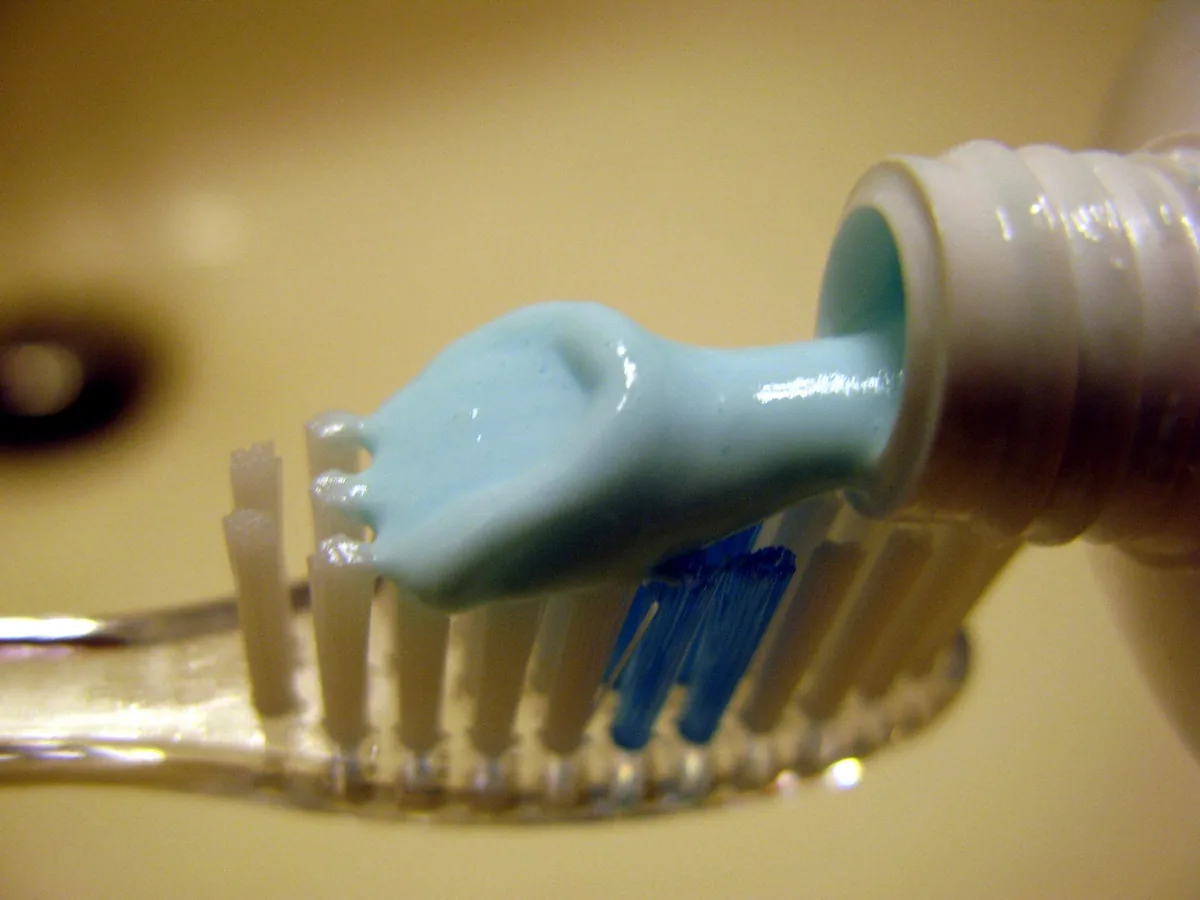
Choosing a toothpaste
Almost all of a toothpaste’s benefit comes from fluoride, and the concentration is printed in small type on the back. The rest is largely preference.
Crowns, onlays, and when a filling is not enough
There is a point at which adding more filling material stops strengthening a tooth and starts weakening it. A crown or onlay is the answer to that problem.
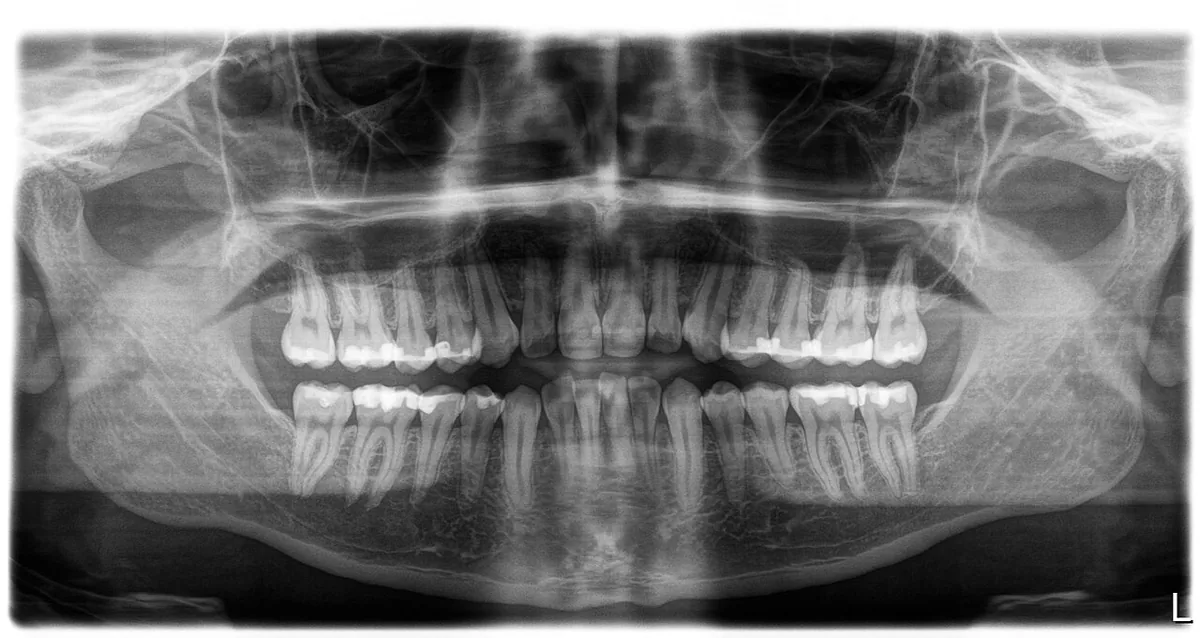
Dental X-rays: why, and how often
A large share of decay starts in places no examination can see. X-rays exist for those places, and the dose involved is far smaller than most people assume.
Diabetes and gum disease
Diabetes makes gum disease more likely and more severe, and severe gum disease makes blood glucose harder to control. Treating the gums has been shown to help the glucose.
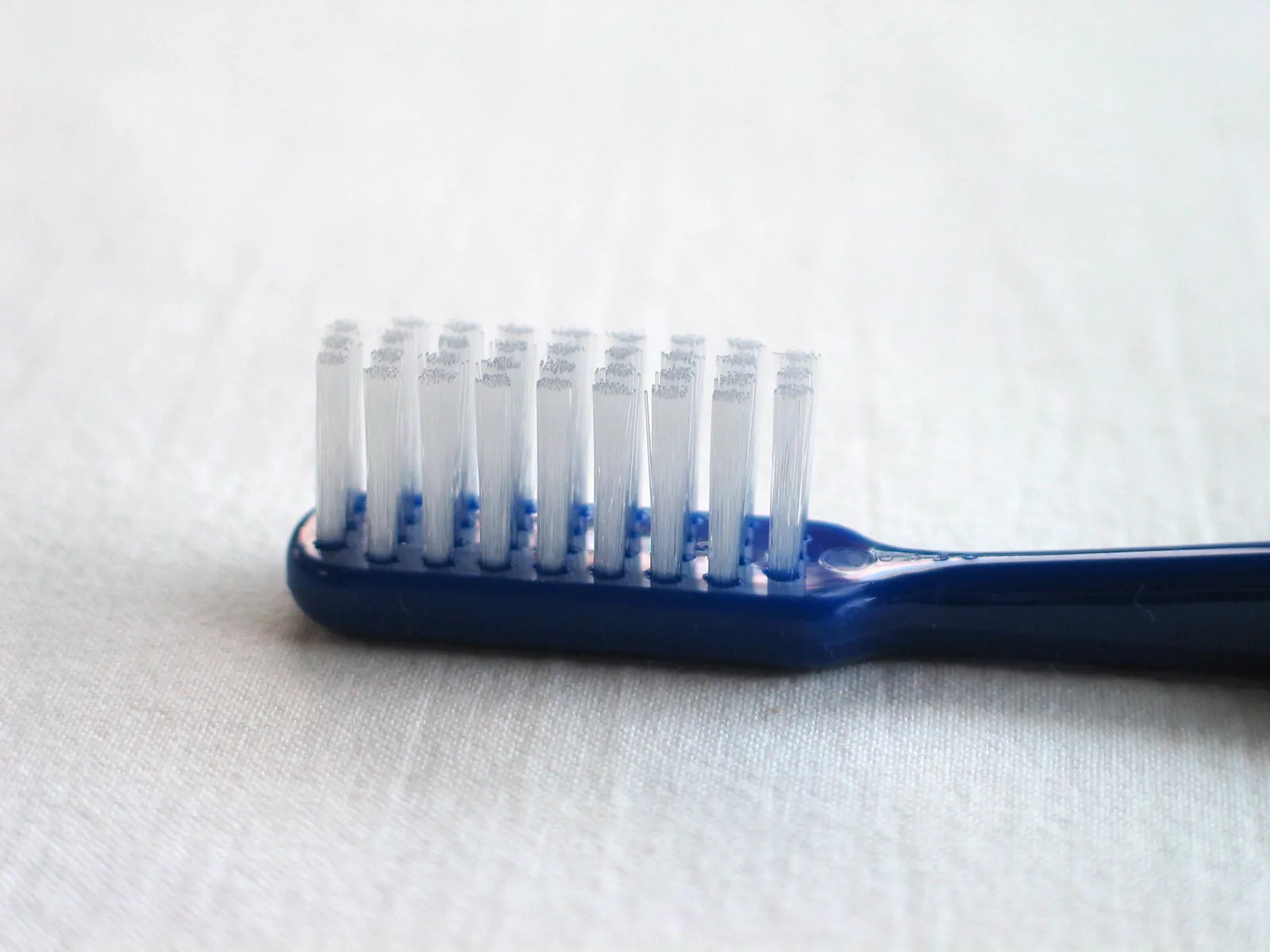
Electric or manual?
Electric brushes remove modestly more plaque on average. Their timers and pressure sensors may matter as much as the motor, though nobody has separated the two.

Mouthguards for sport
A custom mouthguard is the cheapest dentistry you will ever buy, measured against what it prevents. And if a tooth does come out, the first ten minutes matter enormously.
Mouthwash: what it does, and what it does not
Most people use mouthwash at the one moment it does harm — immediately after brushing, where it rinses away the fluoride they have just applied.

Pregnancy and your teeth
Hormonal changes make gums react far more strongly to plaque, and morning sickness brings stomach acid to the teeth. Both are manageable, and NHS care is free throughout.
Root canal treatment, explained
Root canal treatment has a reputation it has not deserved for decades. Done under anaesthetic, it is usually no more uncomfortable than a large filling.
A scale and polish, and what it actually does
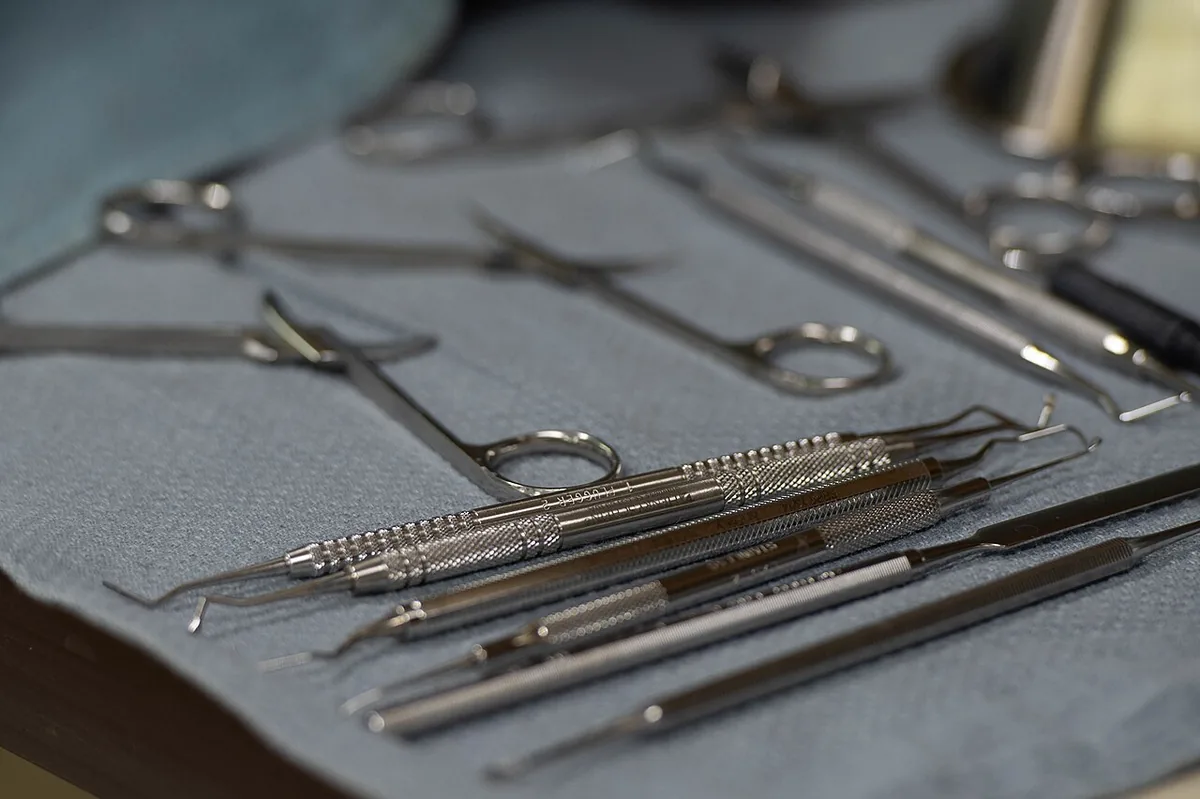
Plaque can be brushed away. Once it hardens into calculus it cannot, at any pressure, with any toothbrush. That is the gap a hygiene appointment fills.
Sensitive teeth
Sensitivity means dentine is exposed somewhere. Where and why it is exposed is what decides whether it is a minor nuisance or something to act on.
Smoking, vaping and your mouth
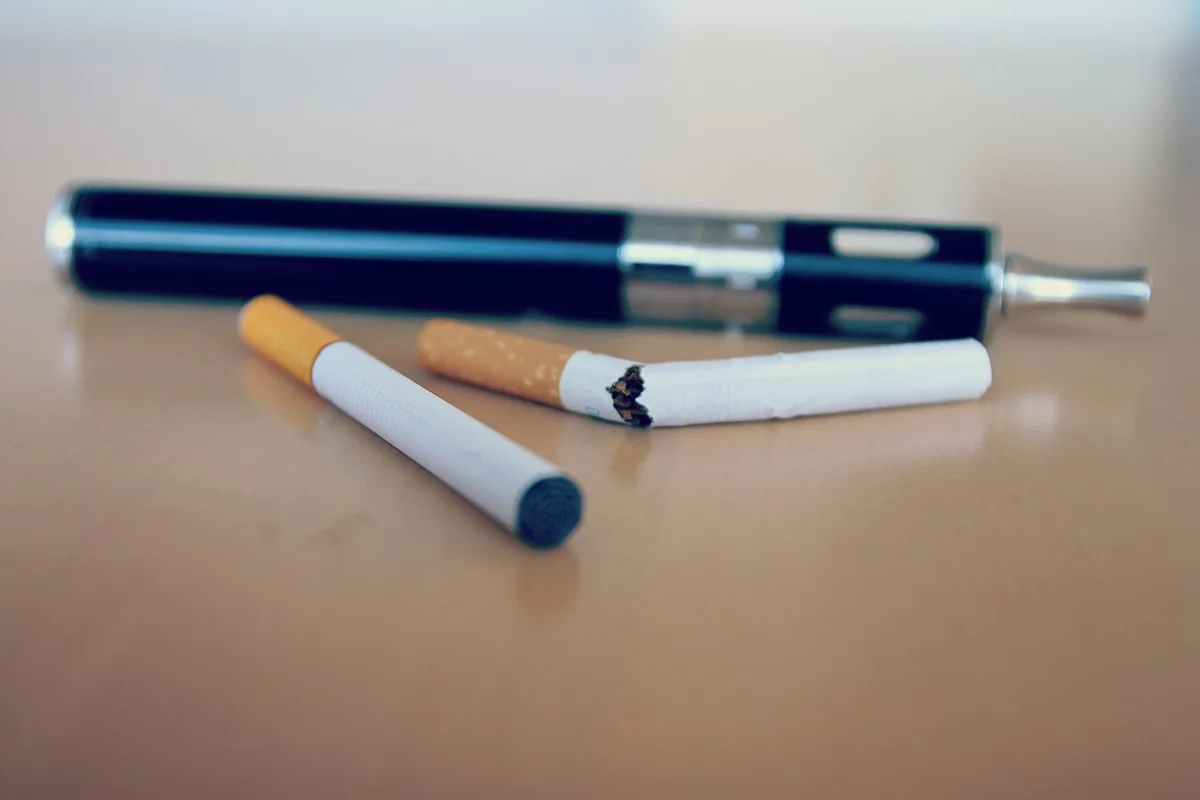
Smoking is the biggest changeable risk factor for gum disease and oral cancer, and it hides the warning signs while it does the damage.
Grinding, clenching and worn teeth
Bruxism wears teeth down slowly enough that people rarely notice until a lot has gone. The early signs show up on the teeth long before anything hurts.
What happens during a filling
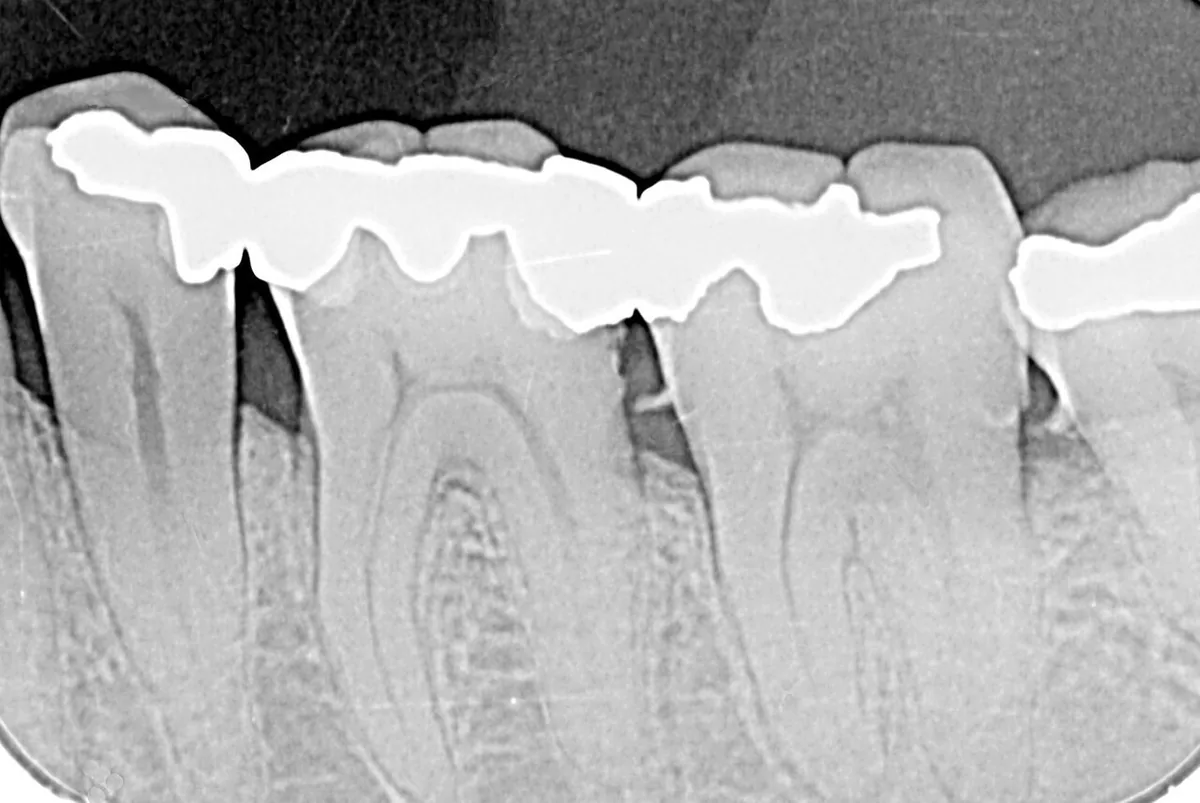
A filling removes decay and rebuilds the tooth. Knowing what each noise and sensation is makes the twenty minutes considerably easier.
Wisdom teeth, and when they need removing
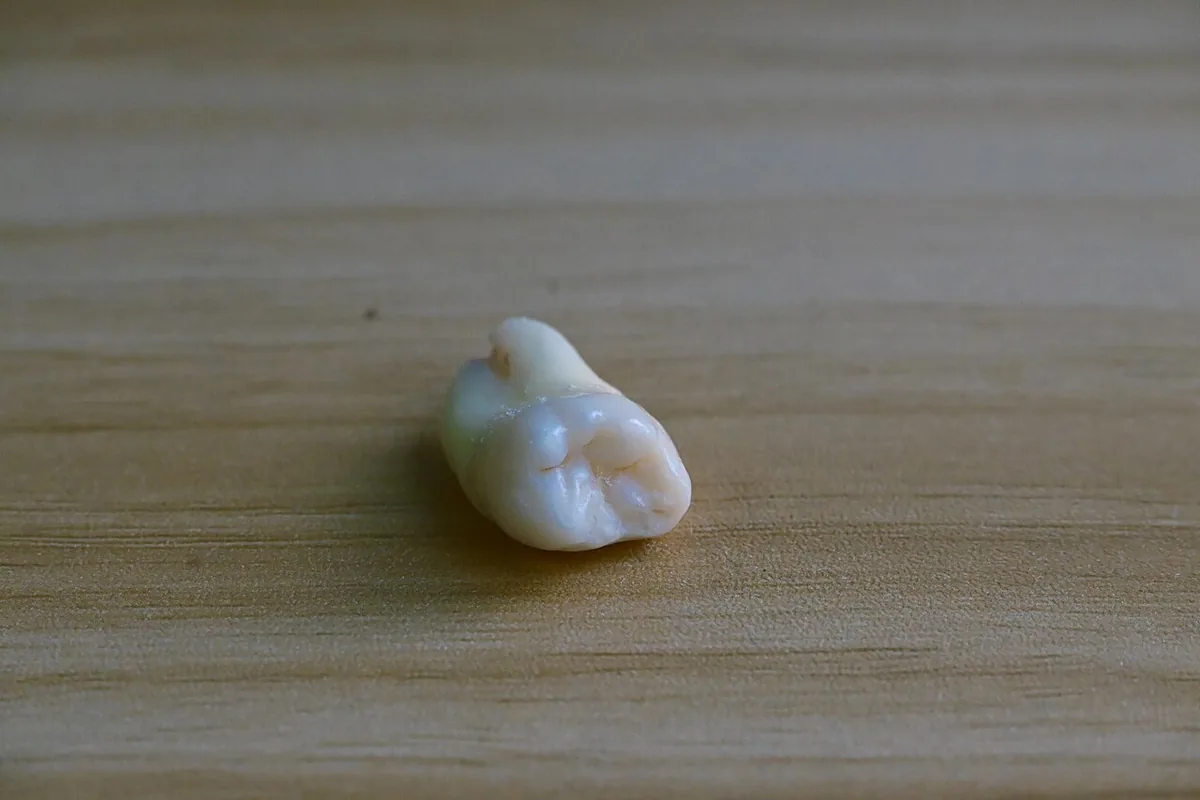
Routine removal of symptom-free wisdom teeth stopped being standard UK practice decades ago. These are the situations where taking them out is still the right call.
Your child’s first dental visits
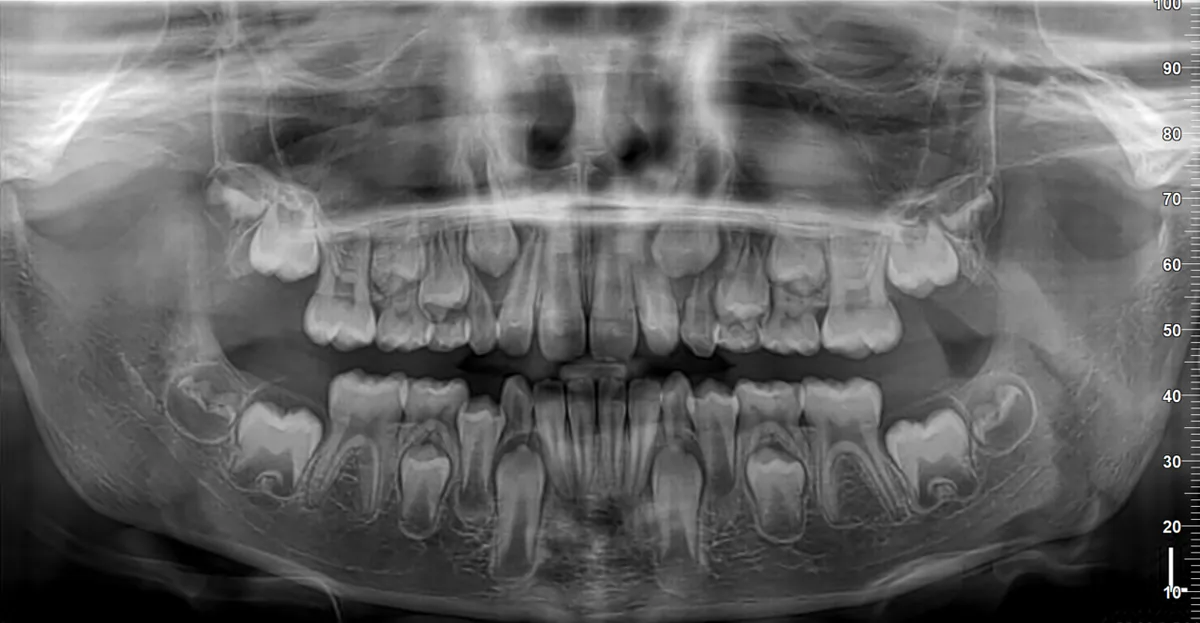
The first visit should happen around the first birthday, and the point of it is not the examination. It is that the place becomes ordinary before anything has to be done.
Sugar and your teeth
How much sugar you eat matters. How many separate times a day your teeth meet it matters just as much, and almost nobody counts that half.
What happens during a tooth extraction
Having a tooth out is a common, routine procedure. Knowing the sequence, and knowing what aftercare actually prevents, makes it considerably less daunting.
What to expect at a dental check-up
A routine examination takes about fifteen minutes and is usually completely painless. The hardest part, for most people who have been away a long time, is booking it.
Spotting a cavity early
Most cavities give no pain at all until they are well advanced. The early signals are subtle, but they are there if you know what you are looking at.
Early signs of gum disease
Gum disease rarely hurts until it is advanced, which is why it is so often missed. These are the signs that show up first.
Floss, interdental brushes, or a water flosser?
A toothbrush cannot reach between your teeth, which is exactly where gum disease tends to start. Here is how the three options actually compare.
How to brush your teeth properly
Brushing twice a day is not the same as brushing well. The difference is time, angle and pressure — and pressure is where most people go wrong.